

SIGNS YOU HAVE A POOL LEAK IN TAMPA, FL (AND WHERE IT’S COMING FROM)
If your pool is losing water, your deck stays damp, or you’re constantly adding water, you’re not alone. Many Tampa homeowners notice the problem before they know what’s causing it.
This guide covers the most common pool leak signs, how to confirm a leak (vs. evaporation), and the most likely leak locations—including the skimmer, return jets, main drain, and pool light conduit.
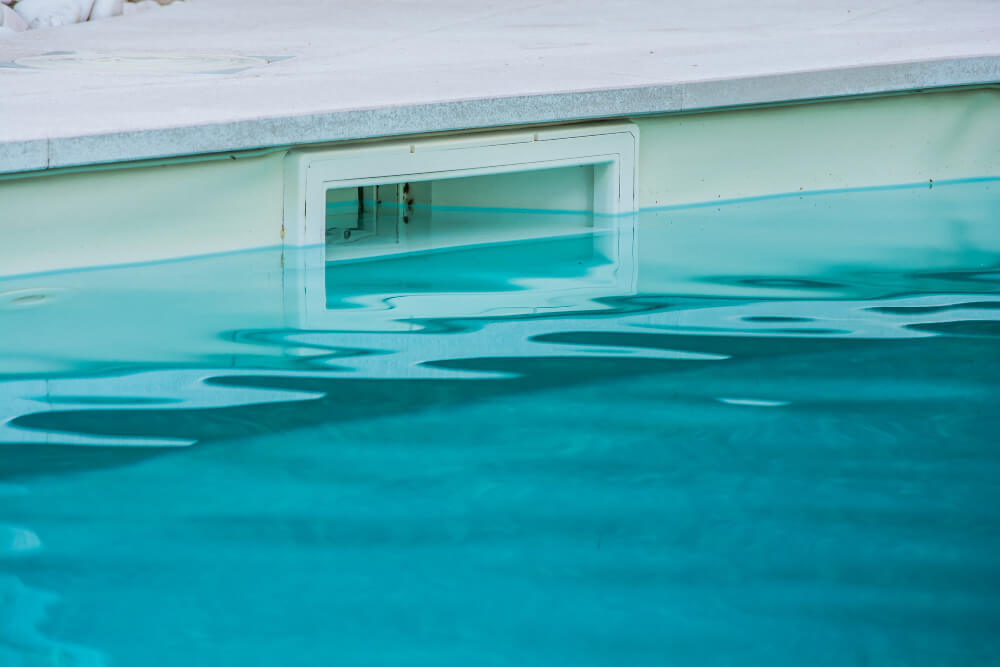
SIGNS YOUR POOL IS LEAKING (VS EVAPORATION)
Some water loss is normal—especially in Florida heat—but consistent, noticeable drops can indicate a leak.
Common Pool Leak Signs
• You’re adding water more often than usual
• Water level drops faster overnight
• Wet spots, soft soil, or standing water near the pool
• Cracks forming or worsening around the pool shell or tile line
• Pump losing prime or pulling air
• Air bubbles coming from return jets
• Unexplained higher water bill
• Deck areas that stay damp even on dry days
If you’re unsure, do the quick bucket test below.
HOW TO CHECK: BUCKET TEST (EVAPORATION VS LEAK)
The fastest way to confirm whether you’re dealing with evaporation or a leak is the bucket test. It takes about 24 hours and gives you a clear answer before you spend money on repairs.
➡️ Read the full step-by-step guide here: Bucket Test for Pool Leaks
POOL LEAK NEAR THE SKIMMER (SYMPTOMS + CAUSES + WHAT TO DO)
Skimmers are one of the most common leak locations in Tampa pools.
Signs the Leak May Be at the Skimmer
• Water level stops dropping around the skimmer opening
• Cracks around the skimmer throat or faceplate
• Wet soil or sinking deck near the skimmer side
• Visible separation between skimmer and pool shell
Common Causes
• Settling/ground movement causing skimmer separation
• Cracked skimmer body or worn seal areas
• Leaks around plumbing connections at the skimmer line
What to Do
• Note where the water level “stabilizes” (especially near skimmer level)
• Avoid repeated patch attempts until the source is confirmed
• If the leak appears tied to plumbing, you may need underground pool plumbing repair in Tampa (link)
If you want confirmation quickly, schedule pool leak detection in Tampa.
POOL LEAK AT RETURN JETS (SYMPTOMS + CAUSES + WHAT TO DO)
Return jets (return fittings) push water back into your pool. Leaks here can be subtle.
Signs the Leak May Be at Return Jets
-
Small drips or streaking around return fittings
-
Bubbles coming from returns
-
Water loss continues even when you’re not running features
-
Damp soil near the return line path (sometimes)
Common Causes
-
Loose or cracked return fittings
-
Failed seals/gaskets
-
Cracks in plumbing line connected to the return side
What to Do
A dye test around fittings can sometimes reveal movement toward a leak point—but return-side plumbing may require testing.
If the leak is in a line, you’ll typically need underground pool plumbing repair in Tampa after detection confirms the source.
POOL LEAK AT MAIN DRAIN (SYMPTOMS + CAUSES + WHAT TO DO)
Main drain leaks can mimic other issues because the plumbing runs underground and is often harder to isolate.
Signs the Leak May Be at the Main Drain
-
Water loss continues past the skimmer level
-
Pump pulls air or loses prime more often
-
The pool loses water until it reaches a certain lower level
-
Symptoms worsen when the system is running
Common Causes
-
Leak in the drain line (underground)
-
Issues with drain pot / seal area
-
Plumbing separation from settling over time
What to Do
Main drain issues usually require professional testing to isolate the line. If confirmed, repairs typically fall under underground pool plumbing repair in Tampa.
POOL LIGHT / CONDUIT LEAKS (COMMON TAMPA ISSUE)
Pool light conduit leaks are more common than most homeowners realize.
Signs the Leak May Be at the Pool Light
-
Water loss continues even after checking skimmer/returns
-
Moisture around the light niche area
-
Dye test shows water pulling toward the light ring/niche
-
Leak appears “mid-wall” rather than at fittings
Why It Happens
Water can travel through the light conduit line, especially if seals fail or conduit pathways allow water movement.
What to Do
These leaks can be confirmed with inspection and dye testing. Once confirmed, the repair approach depends on the exact source.
WHAT A PROFESSIONAL LEAK TEST INCLUDES (DYE + PRESSURE + ELECTRONIC)
DIY checks can tell you if you have a leak. Professional testing pinpoints where it is and what to do next.
A professional pool leak detection visit may include:
-
Visual inspection of common leak points (skimmer, returns, light niche, tile line)
-
Dye testing to confirm active leak areas
-
Plumbing line checks and isolation
-
Pressure testing (when the leak points to underground lines)
-
Clear diagnosis of whether the leak is structural or plumbing-related
Want to know what detection typically costs? See pool leak detection cost in Tampa.
WHEN TO CALL A LEAK DETECTION SPECIALIST
If your pool is consistently losing water, the fastest way to stop the problem is to confirm the source and repair the correct area the first time.
You should call if:
-
The bucket test suggests a leak
-
You see wet spots near the pool or deck
-
Your pump is pulling air / losing prime
-
You’ve tried basic patching and the water loss continues
-
You want a clear plan before spending money on repairs
📞 Call (813) 968-3232 or schedule pool leak detection & repair in Tampa.
FREQUENTLY ASKED QUESTIONS
HOW DO I KNOW IF MY POOL IS LEAKING OR JUST EVAPORATING?
Use the bucket test. If the pool drops more than the bucket in 24 hours, it likely indicates a leak.
WHERE DO MOST POOL LEAKS HAPPEN?
Common leak points include the skimmer, return fittings, main drain plumbing, pool light niche/conduit, and cracks along the shell or tile line.
CAN A POOL LEAK CAUSE A HIGH WATER BILL?
Yes. Even a small leak can add up fast and trigger a noticeable increase in your bill.
IF THE LEAK IS UNDERGROUND, WHAT’S THE NEXT STEP?
Once testing confirms it’s in the plumbing lines, the next step is underground pool plumbing repair in Tampa.