

POOL LOSING WATER FAST? HERE’S WHAT TO DO
If your pool is losing water fast, it’s usually one of three things: evaporation, splash-out, or a leak. The key is figuring out which one quickly so you don’t waste water, damage equipment, or turn a small problem into a bigger repair.
Not sure if it’s evaporation or a leak? We can pinpoint it fast and tell you exactly where it’s coming from. We are the best leak pool detection company in Tampa.
HOW MUCH WATER LOSS IS NORMAL?
Most pools lose some water naturally due to evaporation—especially in Florida.
Typical evaporation range:
- 1/8″ to 1/4″ per day is often normal in warm, sunny, or breezy conditions
- More than 1/4″ per day may indicate a leak (especially if it’s consistent)
Other “normal” reasons for water loss:
- Kids splashing
- Backwashing (if applicable)
- Heavy use / cannonballs
- Spilling over the coping during storms
If the drop is steady day after day, and you’re refilling often, it’s time to test.
QUICK TEST: EVAPORATION VS LEAK (BUCKET TEST)
The fastest way to know if it’s a leak is the bucket test.
👉 Read the full step-by-step here: [Bucket Test: Is Your Pool Leak or Evaporation?]
Quick explanation:
-
If the pool water drops more than the bucket, it’s likely a leak.
-
If the pool and bucket drop the same, it’s likely evaporation/weather.
MOST COMMON REASONS YOUR POOL IS LOSING WATER FAST
If the bucket test points to a leak, here are the most common causes we find.
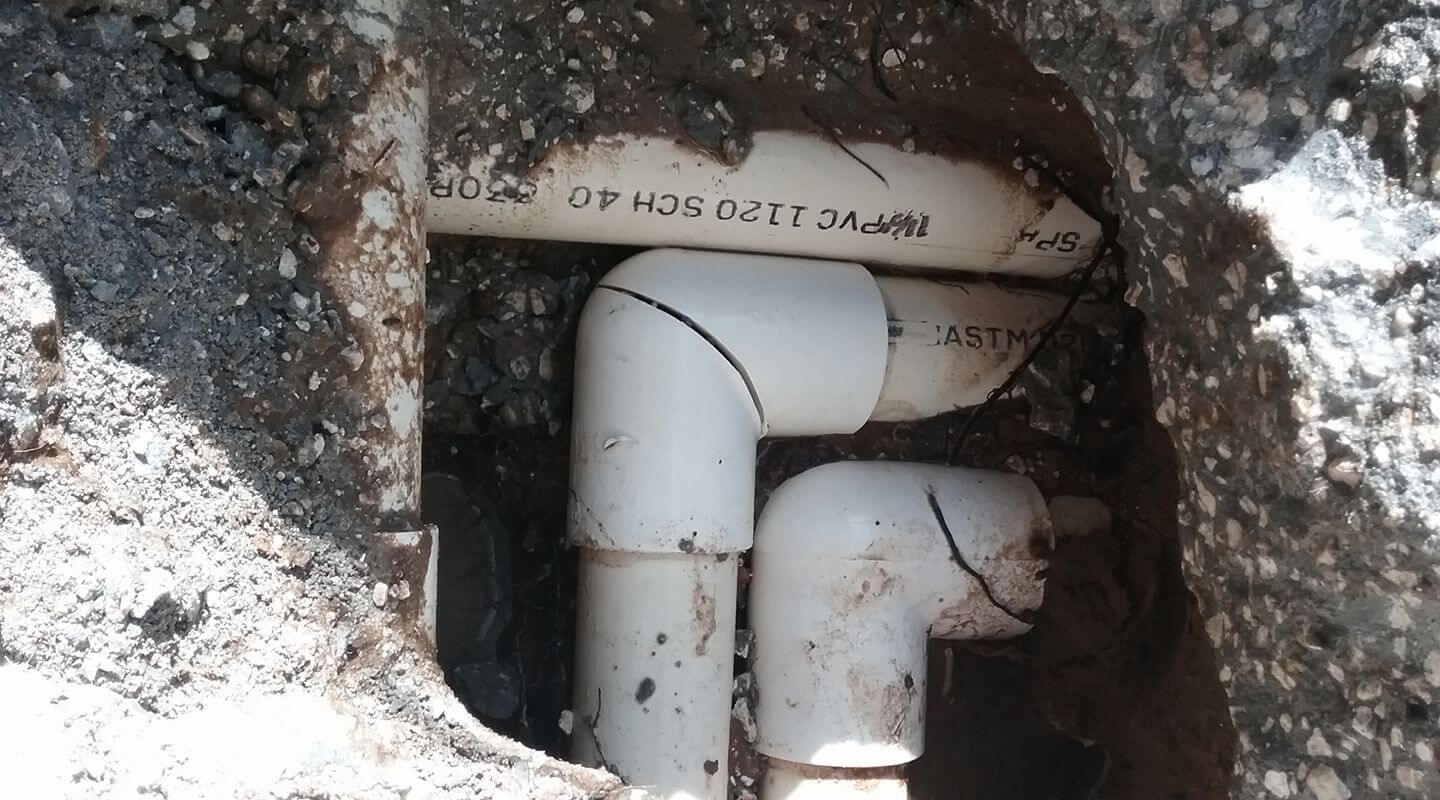
Leak in Plumbing (Suction or Return Lines)
A plumbing leak can happen underground, under decking, or in the lines going to/from your equipment.
Common signs:
- Air bubbles coming from returns
- Pump losing prime
- Wet spots near deck lines
- Water level drops even when the pool isn’t being used
What to do:
-
Check the equipment area for visible leaks
-
Note if the water loss changes when the pump is on vs off (helpful clue)
If you suspect underground plumbing, professional leak detection is the fastest way to confirm.
LEAK AT THE POOL LIGHT (LIGHT NICHE)
A leak can occur behind the pool light, especially around the conduit line.
Common signs:
- Water level drops and stops around the light
- You see small cracks around the light ring
- The loss is steady and consistent
What to do:
- Note where the water level stabilizes
- Don’t try to open electrical components—have a pro inspect it safely
CRACK IN THE POOL SHELL
Cracks can form from settling, age, or shifting—especially in older pools.
Common signs:
-
Visible cracks on walls or floor
-
New “line” cracks that weren’t there before
-
Loss continues regardless of pump run time
What to do:
-
Take photos of cracks (close-up + wide shot)
-
Mark the waterline and track the drop over 24 hours
Some cracks are cosmetic, others leak—testing confirms which.
EQUIPMENT PAD LEAK (PUMP, FILTER, HEATER, VALVES)
Not all leaks are in the pool. Sometimes it’s right at the equipment.
Common signs:
-
Puddles or constant wetness by the pump/filter
-
Drips under valves or unions
-
Water only drops more when the pump is running
What to do:
-
Look for drips while the pump is on
-
Check around filter clamps, drain plugs, heater connections, and valves
Equipment leaks are often the easiest fix—if caught early.
WHEN TO SCHEDULE LEAK DETECTION
If any of the following are true, it’s time to call:
-
You’re losing more than 1/4 inch per day
-
The bucket test suggests a leak
-
The water level stops at a specific point (skimmer, light, return)
-
Your pump is pulling air or won’t stay primed
-
There are wet spots near the pool or equipment
-
You’re refilling so often it’s affecting your water bill
Not sure if it’s evaporation or a leak? We can pinpoint it fast and tell you exactly where it’s coming from.
RELATED GUIDES
FREQUENTLY ASKED QUESTIONS
HOW FAST IS “TOO FAST” FOR POOL WATER LOSS?
If you’re losing more than 1/4 inch per day consistently (and it’s not unusually hot/windy), you should test for a leak.
CAN HOT WEATHER CAUSE FAST WATER LOSS?
Yes. Heat, sun, and wind increase evaporation. That’s why the bucket test is the best way to confirm.
WHY DOES MY POOL STOP LOSING WATER AT ONE LEVEL?
If the water gets too low, the pump can pull air and risk damage. If you’re unsure, schedule a professional test to avoid equipment issues.
SHOULD I KEEP RUNNING THE PUMP IF I SUSPECT A LEAK?
If the water gets too low, the pump can pull air and risk damage. If you’re unsure, schedule a professional test to avoid equipment issues.